PlatePilot
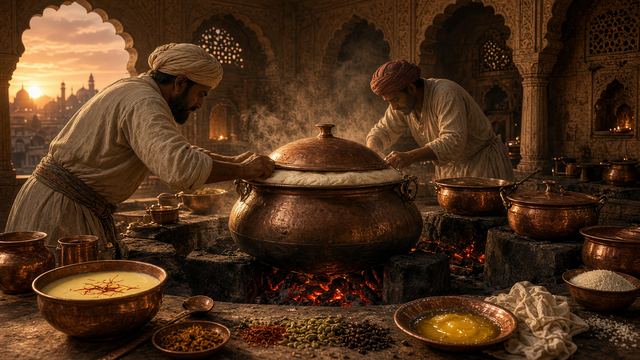
Saffron Under a Dough Seal
Every recipe here is free to read.
HistoricalSpanishEat the PastA Bite of HistoryStory5 Ingredients or Less
Ingredients
- Narrative chapter
Instructions
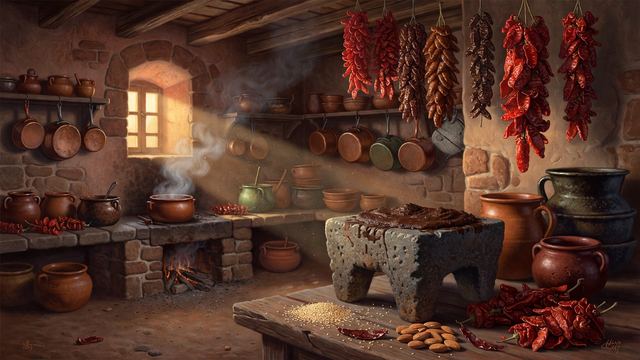
- 1Before the call to the outer courts, the kitchen ranges at Agra were already a small city. Charcoal beds glowed under iron and copper. Boys ran with goatskins of water. A steward with a knotted string tally walked the spice chests and touched each seal: cumin, coriander seed, black pepper, cloves, cardamom, and the small locked casket where saffron waited like coin.
- 2In Akbar’s reign the imperial household did not cook as a home cooked. It mustered. The Ain-i-Akbari later set down the logic strangers only glimpsed—ranks of cooks and tasters, stores measured by weight, and a cuisine that treated fat, grain, and spice as instruments of rule. Ghee was not a garnish. It was fuel, preservative sheen, and the gloss that told a diner the kitchen had means. Rice was not one rice. Aged, long-grain stores were preferred for feast pilafs; lesser grain fed lesser tables. Mutton and chicken entered the pots in counted lots. Nothing prestigious moved without a mark against a list.
- 3Mirza, a composite of the under-cooks who lived by those lists, washed rice until the water ran nearly clear. His hands knew the difference between a hasty rinse and the patience that kept grains separate after heat. Beside him, a senior cook heated ghee until it smelled nutty and clean, then bloomed whole spices in the fat—no powder dumped blind, but seeds and pods that announced themselves in the steam. Yogurt went into a yakhni broth with ginger and garlic pounded on stone. The meat would drink that sour richness before it ever met the rice.
- 4Court fashion favored dum: the sealed pot. When the partly cooked rice was mounded over the meat and its liquor, a rope of stiff dough was pressed the rim and the lid locked down. Fire below, and sometimes live coals cupped on the lid, turned the vessel into a small pressure chamber without a gauge. Steam basted what a spoon could not. Opening too early wasted perfume and status alike; opening on time released a column of scent—saffron steeped in warm milk, ghee, browned onion, the sweet-heat of cardamom—that made even disciplined guards swallow.
- 5Saffron was wealth you could taste. Threads were weighed with a care that bordered on ceremony, crushed or soaked, and used sparingly enough that yellow streaked the white rice instead of drowning it. Rose water and musk appeared in the highest preparations; common city pots made do with browner onions, cheaper fat, and whichever spice the bazaar had not made dear that week. The point was hierarchy you could smell from the corridor.
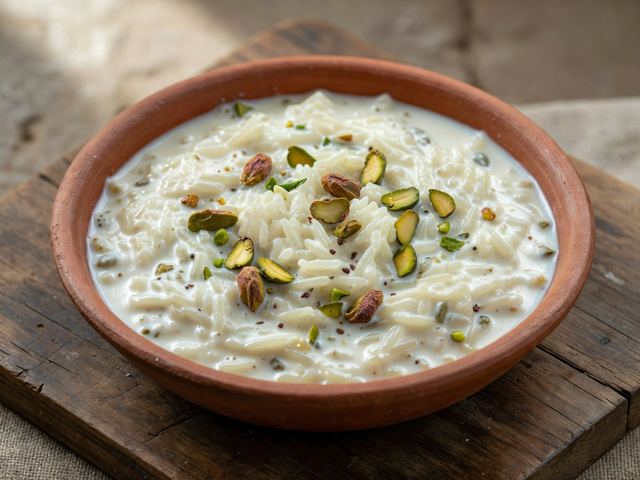
- 6Outside the fort kitchens, Agra ate on other clocks. Street stalls fried flatbreads on iron. Lentils thickened with cumin tadka fed clerks and porters. Milk sweetened with sugar and cardamom cooled in earthen pots. The empire’s roads moved grain, ghee, and dried spices the way they moved news; a caravan’s delay could change a middling household’s supper more than any court quarrel. Preservation was everyday craft—clarified butter that kept, yogurt that soured into usefulness, meat cooked hard into traveler’s stores—while the palace performed abundance under seal.
- 7When the dough lid finally cracked, the senior cook did not rush the plate. He fluffed with a light hand, checked that the grains stood apart, and sent the tray through tasters whose job was political as much as culinary. Only then did the dish travel toward the inner rooms: layered rice and meat, saffron’s gold in the steam, ghee bright on the surface.
- 8Mirza scraped the caramelized crust at the bottom of a lesser pot—the prized tahdig of working cooks—and ate his share standing, scorch and all. Beyond the walls, evening fires would start the same argument in simpler metal: fat, grain, spice, and lid. Appetite, in Agra, was never only hunger. It was a ledger of who could seal the pot, and who ate what the steam left behind.