PlatePilot
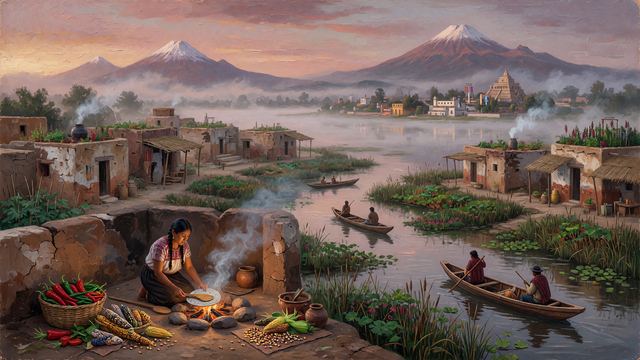
Ash on the Comal Stones
Estimate for one serving
- 280 cal
- 12g protein
- 24g carbs
- 8g fat
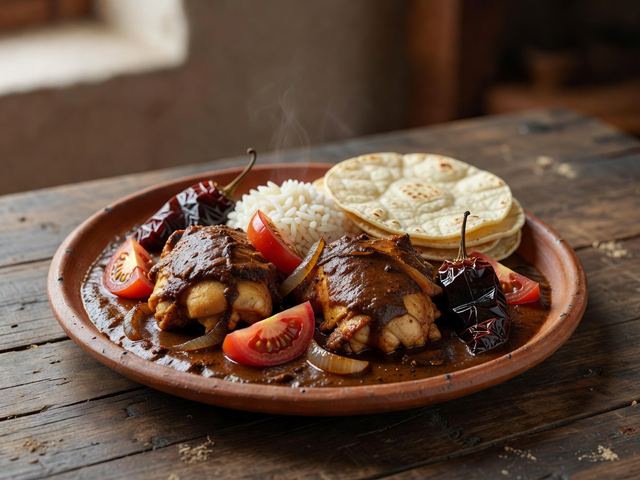
- 3g fiber
Every recipe here is free to read.
HistoricalEat the PastA Bite of HistoryStory5 Ingredients or LessAmerican
Ingredients
- Narrative chapter
Instructions
- 1The island still held the night’s chill when Ixchel blew on the hearth. Ash lifted in a gray veil. Beneath it the comal—the flat clay griddle her mother had fired years before—drank heat until its face went from black to a dull, dangerous rose. In the Valley of Mexico in the years around 1510, that stone or clay disk was the hinge of almost every common kitchen. No loaf rose in an oven. Bread was a tortilla, and a tortilla began before dawn.
- 2She tipped nixtamal from the pot. Yesterday’s dried maize kernels had soaked with wood ash or crushed limestone, the alkali that loosened skins and freed niacin—an old technology without which a maize diet could cripple a body. The swollen grains shone like wet pearls. On the metate she ground them in long, weight-bearing strokes, belly to stone, until the masa turned smooth enough to hold a fingerprint. Water from the lake canals slapped somewhere beyond the doorway; canoes were already nosing toward Tlatelolco with greens cut from the chinampas—those rectangular garden plots built up from mud and vegetation in the shallow lake, fertile enough to yield maize, beans, squash, amaranth, tomatoes, and chiles in staggered harvests almost year-round.
- 3Slap. A ball of masa became a thin round between her palms. Slap onto the comal. The underside blistered; she flipped it with bare fingers practiced past pain. Stack by her knee grew warm under a cloth. In noble houses, attendants might serve tortillas still steaming beside turkey stews, lake fish, and sauces ground with multiple chiles. In warrior compounds, rations were measured and public. For market women and canal laborers, the stack had to last through the shout and press of the day.
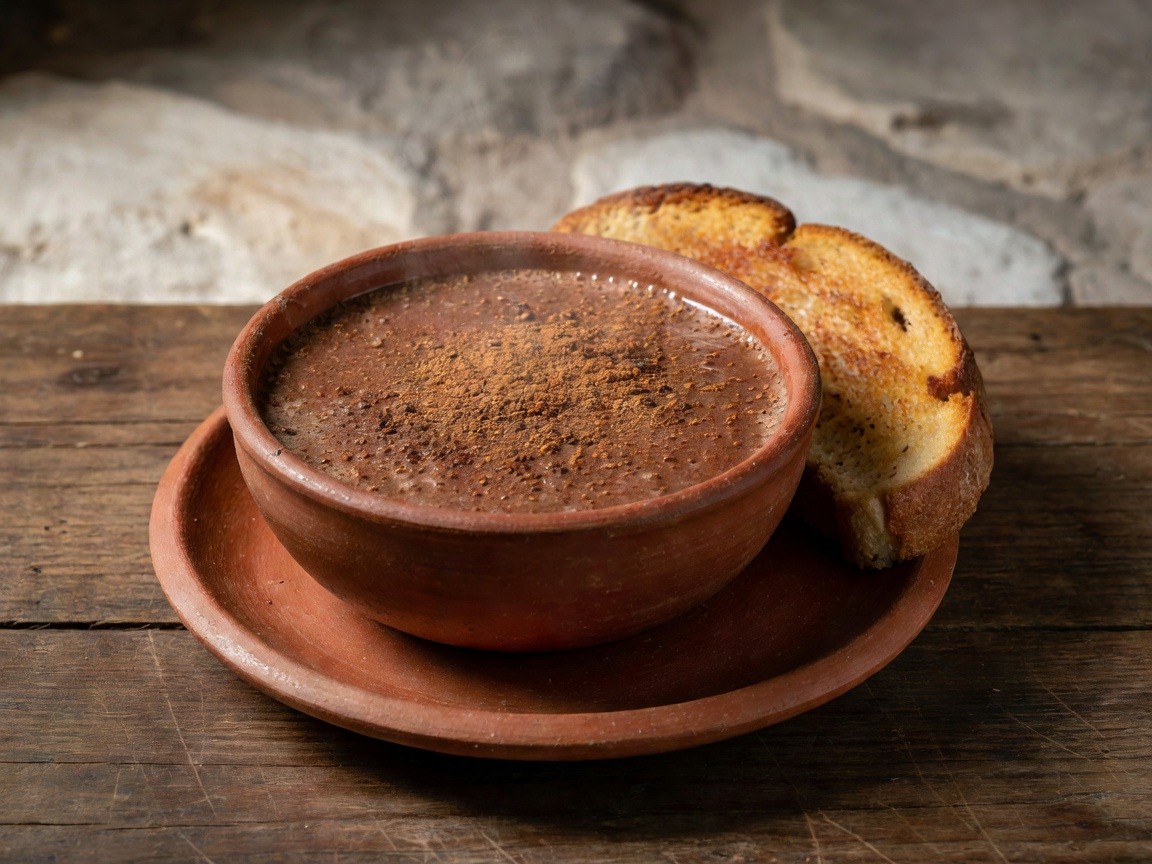
- 4By the time the causeways lightened, the great market at Tlatelolco was a weather of its own. Sahagún’s informants later recalled rows upon rows: sellers of cacao beans used as currency and, for the elite, frothed into a bitter drink with chile and flowers; vendors of salt, gourd seeds, dried fish, waterfowl, and spirulina cakes skimmed from the lake; women with baskets of smoky chipotles and bright green pods; men turning tamales in pots, maize dough stuffed with beans, greens, or seasoned fowl and steamed in husks. Food announced rank as clearly as cotton capes or labrets. Common folk ate maize, beans, squash, chiles, insects rich in fat and crunch, and whatever fish or fowl the lake gave. Lords claimed chocolate, rare sea fish carried up from the coasts under tribute, and the best cuts of turkey and dog. Spice was not cinnamon from far islands—that would come later with empire—but the
- 5Ixchel carried her basket past a tribute tally. Porters bent under loads of dried maize and bolts of cloth owed to the Mexica center from subject towns. Scarcity here was political as much as seasonal: a failed rain, a war’s demand, a warehouse sealed for the palace. She sold tortillas two-for-a-cacao-bean’s fraction to a canoe man whose hands smelled of mud and onion. He ate standing, folding a hot round mashed beans and a scrape of salt, and the simple package—nixtamalized maize, legume, mineral—was the architecture of survival across Mesoamerica.
- 6Midday thickened the air with smoke from a hundred griddles. A child licked atole—maize porridge thinned and sweetened with honey if the household could spare it—from a clay cup. Nearby, a woman fished amaranth greens from a pot and laid them over tortillas with a spoon of tomato-chile sauce ground on a basalt molcajete. Fat hissed when someone set a strip of turkey on a hotter corner of a comal. There was no dairy cow in this city, no wheaten crust, no iron skillet from a Basque forge. Heat lived in clay, stone, and basketry steamers. Preservation meant sun-drying, salting when salt could be had, smoking over copal-scented fires, and the nixtamal pot itself, which kept grain edible and nourishing for days.
- 7As the afternoon wind came off the water, Ixchel felt the comal’s heat still ghosting in her wrists. She tucked three remaining tortillas into a fold of her blouse for the walk home—flexible, fragrant, spotted with the toast-marks cooks still call eyes. Tonight there would be beans again, darkened with epazote, and if the market had been kind, charred chiles mashed with tomato to wake the tongue. In Tenochtitlan, empire might be counted in captives and cacao, but the day was counted in masa. The city ran on what the stones remembered: ash, alkali, and the next warm round lifted before it burned.