PlatePilot
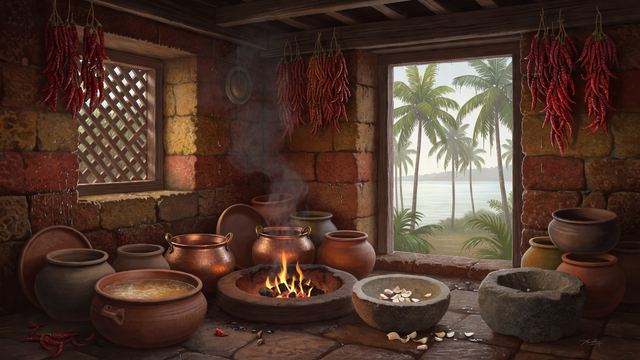
Vinegar After the Monsoon
Estimate for one serving
- 280 cal
- 12g protein
- 24g carbs
- 8g fat
- 0.6g fiber
Every recipe here is free to read.
HistoricalEat the PastA Bite of HistoryStory5 Ingredients or LessAmerican
Ingredients
- Narrative chapter
Instructions
- 1The monsoon had rinsed the red laterite dust from the lanes of Old Goa and left the air thick enough to drink. In a kitchen behind a whitewashed house near the Mandovi, Maria Rosa ground garlic until the stone smelled like a hold after a long passage. She did not measure. Sailors never had.
- 2What the Portuguese called vinha d’alhos had begun as a necessity at sea: meat steeped in wine or cheap vinegar and smashed garlic so it would keep through weeks of equatorial heat. On the caravels that rounded the Cape, wine soured into something harsher; the garlic stayed honest. When those same hands stepped ashore at Goa—taken by Afonso de Albuquerque in 1510 and held as the glittering hinge of a pepper empire—the old preserve met a different pantry.
- 3Maria Rosa’s jar was not filled with thin European wine vinegar. She used toddy vinegar, soured from the sap of coconut palms, cloudy and faintly sweet before it bit. Into it went fat cloves of local garlic, coarse salt, and a paste of dried red chilies. The chilies were the newest wealth in an old trade. Within a century of Columbus, Portuguese ships had carried Capsicum from the Americas into African ports and on to India; by Maria Rosa’s lifetime the pods hung in strings from Goan eaves like beads of dried flame. Black pepper had made fortunes. Chili made heat democratic.
- 4She worked pork because this household kept the Catholic calendar of the Estado da Índia. On other streets, kitchens turned toward fish, lentils, and the long vegetarian fasts of neighbors who would never touch the hog. Food marked community as clearly as church bells or temple conches. Tonight was a feast day after abstinence, and the house expected meat that tasted of voyage and settlement at once.
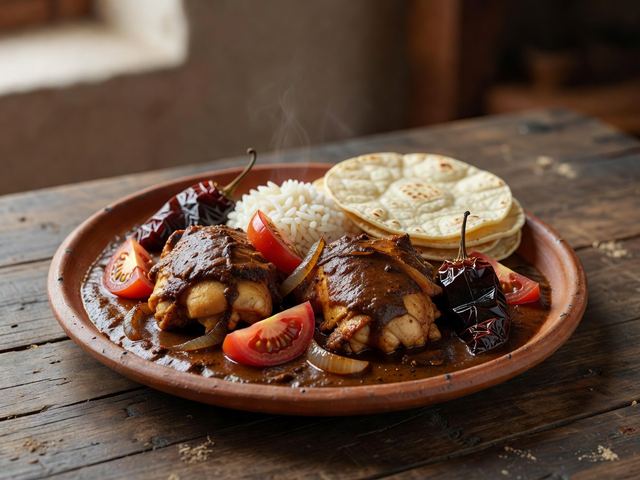
- 5In the courtyard, a boy turned mustard seeds in hot coconut oil until they popped like distant musketry. Cumin darkened. A cinnamon stick—bark that had once been counted against silver in the same harbors—softened in the fat. Maria Rosa tipped the vinegar-slick pork into the pot. The sour rose first, then garlic, then the slow bloom of chili that made the eyes water in a clean, useful way. She added no cream, no lake of gravy. This was a braise meant to penetrate, not to smother: meat, acid, allium, spice, and time on a wood fire under a clay lip.
- 6Outside the walls, Goa still performed empire. Cashews from the same American transfers roasted in iron pans. Mangoes pickled in brine. Dried shrimp and palm sugar moved through markets where Konkani, Portuguese, and the shorthand of sailors tangled. Clove and nutmeg still arrived from islands farther east, reminders that the city’s wealth was a chain of monsoons and monopolies. Ordinary cooks rarely saw the countinghouses. They saw what landed in the basket: a knuckle of ginger, Kashmiri-dark chilies sold cheaper than they had any right to be, a crock of vinegar mother living in the shade.
- 7Maria Rosa tasted from a wooden spoon. Too sharp—she crushed a little jaggery against the side of the pot. Too dull—another pinch of salt, another minute uncovered so the vinegar could tighten. The pork began to gloss, edges fraying into the sauce the way ship meat once surrendered to its barrel. Children drifted toward the doorway, drawn by sour and smoke. A priest’s servant had already sent word that the table should be ready when the bells finished.
- 8When she finally lifted the pot toward the serving bowl, the kitchen held the whole story of a coast: Atlantic garlic logic, American chili, Indian palm sour, Indonesian bark, African and Asian stopovers forgotten in the steam. No one in the room needed a lecture on the Carreira da Índia. They needed rice—plain, abundant, ready to catch every drop.
- 9She set the meat down while it still hissed. Vinegar pricked the nose. Fat shone. The first hand to tear bread would understand, without being told, why a sailor’s preserve had refused to stay on the ship.