PlatePilot
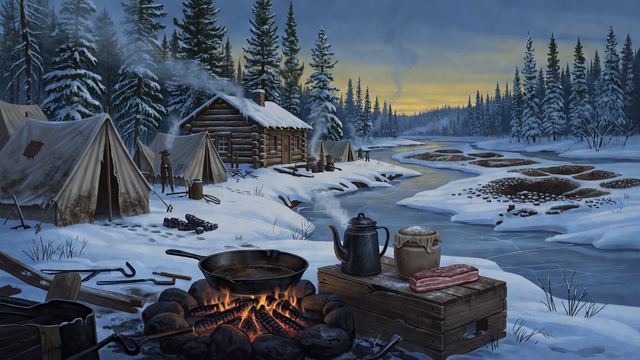
Dollar Eggs on Bonanza Creek
Estimate for one serving
- 280 cal
- 12g protein
- 24g carbs
- 8g fat
- 0.6g fiber
Every recipe here is free to read.
HistoricalEat the PastA Bite of HistoryStory5 Ingredients or LessAmerican
Ingredients
- Narrative chapter
Instructions
- 1Before a man was allowed over the Chilkoot Pass in the winter of 1897–98, Canadian police made him show roughly a ton of goods—enough, they judged, to keep one body alive a year in a country that killed the unprepared. Half that ton was food. Flour by the hundredweight. Bacon sealed in tins or slabs of salt pork. Beans, dried apples, coffee, sugar, evaporated milk, and a little rice if he could spare the weight. Prospectors cursed the scales at the Scales, then bent again under another fifty-pound load, because hunger on the Yukon was not a metaphor. It was a ledger entry that ended in graves along the trail.
- 2In a canvas lean-to above Lake Lindeman, a woman named Nora—one of the few who had paid her own way north—fed a sourdough starter as carefully as a claim stake. The crock rode inside her coat when the thermometer dropped past forty below. Miners called themselves sourdoughs once they had wintered over; the name clung first to the yeasty paste that turned inert flour into flapjacks and bread when commercial yeast was a rumor and baking powder froze into useless grit. Nora stirred the batter with a knife wiped on her skirt, dropped it onto a blackened sheet of iron balanced over spruce coals, and watched the edges lace with brown. Fat from a precious strip of bacon smoked and spat. Men would trade news of a good gravel bar for a share of that smell.
- 3Dawson City, when the ice went out and the boats came, was a mud flat dressed as a metropolis. Saloons and outfitters lined Front Street; dance-hall girls sold waltzes by the minute; and restaurants posted prices that made Cheechakos—greenhorns—laugh until they tried to buy breakfast. Fresh eggs, packed in sawdust and rowed or sledded hundreds of miles, sold for a dollar apiece when they could be had at all. A plate of ham and eggs might cost three dollars—more than a day’s wage in the states a man had fled. Butter went rancid in summer heat and turned to stone in winter; cooks stretched it with drippings. Condensed milk sweetened coffee so bitter it could float a horseshoe. Nothing was wasted. Burned beans were scraped, reheated, and renamed stew.
- 4Out on Bonanza and Eldorado creeks, the real kitchen was a sheet-iron stove in a dirt-floor cabin, or an open fire under a pole cache built high against marauding dogs and thieving neighbors. Men thawed frozen beans in a pot until the skins split, then bulked them with flour dumpings. They fried salt pork until the grease could carry a slice of sourdough bread. When a salmon run silvered the river, whole fish were smoked on racks or baked in clay; the oil was richness after months of hard fat. Dried apples stewed into a sauce that tasted, someone always said, like a pie back home—if home still answered letters.
- 5Class showed at the table as clearly as at the claims. A successful mine owner could import canned oysters, French brandy, and a Chinese cook who knew how to coax variety from tins. Wage men and failed stampeders lived on the trinity of beans, bacon, and bread, counting flapjacks the way they counted pan flakes. Spoilage was a tax: flour weevils were sifted out and forgotten; mold was trimmed; meat gone green was buried or, in desperate weeks, heavily peppered and denied. Preservation was smoke, salt, cold, and speed. The ground itself was a larder—permafrost kept a side of beef like a meat safe once a shaft was sunk.
- 6On a September evening, with the light already thinning, Nora’s skillet came off the fire loaded with bacon-fried bread and a single egg bought at scandalous cost and split four ways with a knife so no man felt cheated. They ate standing, boots still muddy from the sluice, listening to the creek talk over stones that might or might not pay. No one toasted with champagne. They licked grease from their thumbs and argued whether to throw another log on or save it for morning coffee. Gold was a story told in pinches. Supper was the only sure claim: hot, salty, earned by the ton they had hauled, and gone too soon—so that the next batter, the next pot of beans, already felt like necessity rather than hope.